Four stories from the past few days matter for anyone planning a fishing trip to Costa Rica. University of Costa Rica researchers describe how hard it now is to find the country's critically endangered sawfish and why fishing gear is one of its biggest threats. A bill waiting for a vote in the Legislative Assembly would bar ride-hailing pickups at Juan Santamaría International Airport, and Uber says it could double fares. A US government funding deadline on Dec. 12 could mean longer lines and cancellations for travelers connecting through American airports at Christmas. In Guanacaste, El Niño has dried up wells and springs, and some Nicoya communities are on strict water rationing as the dry season sets in.
Costa Rica's sawfish so rare that researchers seldom see one
The Tico Times reported on November 24 that the sawfish, a ray with a long, toothed snout, is now so hard to find in Costa Rica that some researchers have finished whole theses on it without seeing a live one. Sawfish can grow to almost 6.5 meters (21 feet). University of Costa Rica (UCR) biologist Mario Espinoza told the paper that their populations have dropped about 70% over the last six decades. Of the five species in the world, two have been recorded in Costa Rica: the largetooth sawfish and the smalltooth sawfish.
Sawfish move between fresh and salt water. Most Costa Rican sightings come from the San Juan River on the Nicaraguan border and from the Térraba-Sierpe National Wetland on the southern Pacific coast. Espinoza's team has studied the species for about ten years. Because the fish are so seldom seen, the team relied mostly on interviews with fishermen and riverside communities, then used environmental DNA (genetic traces left in water) to confirm that sawfish were present. They detected sawfish DNA at several sites in 2019 and 2020, mostly in northern and northern Caribbean rivers, and published the results in 2025 in Endangered Species Research. In 2022, UCR researchers caught and released a largetooth sawfish near the San Juan River.
The IUCN Red List classifies all five species as critically endangered. The toothed snout gets caught easily in nets and other gear. Espinoza said many fishermen do not know how to release a sawfish safely, so accidental catches are often fatal. In the north, some tarpon spearfishers have killed sawfish after mistaking their underwater outline for their target. Costa Rica has protected sawfish by law since 2022. For anglers, the takeaway from the report is to recognize the species and release any accidental catch with care.
Ride-hailing bill could end Uber pickups at the San José airport
According to The Tico Times on November 24, Uber says a bill awaiting its first debate in the Legislative Assembly would roughly double ride-hailing fares and end app pickups and drop-offs at Juan Santamaría International Airport. Uber calls the airport its busiest location in the country. Laura Santillán, Uber's general manager for Costa Rica, Panama and the Caribbean, presented the figures at a press conference on Monday. She said they come from the company's internal simulations. They have not been independently verified.
The bill is titled the Law to Regulate Digital Transportation Platforms. Its main provisions include:
- Drivers would be treated as independent contractors. They would need to register with the CCSS social security fund and the Finance Ministry, carry insurance, complete training, have a clean criminal record and be up to date on traffic fines.
- The Economy and Public Works ministries would set a minimum per-kilometer profit for drivers.
- Driver and passenger would have to agree on a price before each trip, and again if the route changes.
- Article 5 would bar platform drivers from airports, ports, docks, international maritime terminals and other concession-run terminals. Fines would reach up to 2 million colones ($4,483), with exceptions possible if the competent authority authorizes them.
Uber estimates that a trip costing about 5,000 colones ($11.21) could rise to 10,000 colones ($22.41), and that demand could fall by up to 40%. The company says about 1.6 million tourists have used its app in Costa Rica. Licensed tourism transport operators protested in September against opening airport access to apps, and the airport's orange taxis hold the pickup concession. Lawmakers can still amend the text on the floor. For now, visitors arriving at Juan Santamaría should plan for a taxi, a shuttle or pre-arranged transfer rather than counting on an app ride.
Dec. 12 US funding deadline could slow holiday connections
The Tico Times reported on November 23 that funding for the US Transportation Security Administration and the Federal Aviation Administration runs out after December 11. If Congress has not approved new money by then, a government shutdown would begin the next day. US airports would stay open, and screeners and controllers would be expected to work without pay. In past shutdowns, staff absences led to security lines lasting hours, and the FAA cut traffic at busy airports, which meant cancellations.
The timing is the concern because the deadline falls two weeks before Christmas, when flights are full and rebooking options are scarce. The paper stressed that nothing is certain. December 12 is a deadline for a deal, not the day delays start, and earlier shutdowns took days or weeks to cause disruption. Congress may also reach a last-minute agreement.
The paper's practical advice for travelers connecting through the US, including those heading on to a third country:
- Consider a longer layover if your connection is under two hours.
- Choose morning departures, which leave more backup flights.
- Turn on airline app alerts and check your flight status before leaving for the airport.
- Check whether your travel insurance or credit card coverage excludes government action.
Juan Santamaría and Liberia airports would not be directly affected. Any delays would start at the US end of the route.
El Niño brings water rationing to parts of Nicoya
The Tico Times reported on November 23 that several community-run water systems in Guanacaste are rationing service or relying on tanker trucks as El Niño cuts their supplies. In Iguanita, in Nicoya, residents got piped water for about 10 minutes a day through most of October after the springs feeding the local aqueduct nearly dried up. In nearby Moracia, the main well went dry on October 31. Homes there now get water every second day, from 8 p.m. to 11 p.m., and a tanker truck comes from Santa Cruz three times a week. The Pilangosta association, which also serves Marbella and Pita Rayada, has provided water for about 12 hours a day for two months.
AyA executive president Lourdes Sáurez said systems run directly by the national utility have lost flow, but none has run dry. Guanacaste has 304 community water associations, and conditions vary from place to place. AyA has assigned tanker trucks to community aqueducts and bought 16 more, with deliveries scheduled for November and December. From about December 15, it plans to set up storage tanks of up to 22,000 liters at fixed points. The dry season began in Guanacaste earlier this month, and the World Meteorological Organization expects El Niño to peak in December. Visitors staying in rural Nicoya should check with their lodging, because each local association sets its own rationing schedule.
For current conditions on the water off Los Sueños, see our fishing reports or contact us to plan your trip.
Sources
- Costa Rica's Critically Endangered Sawfish Is So Rare Even Scientists Struggle to Find It — The Tico Times, November 24, 2026
- Your Uber Ride in Costa Rica Could Cost Twice as Much Under a New Bill — The Tico Times, November 24, 2026
- Flying Through the US for Christmas? A Dec. 12 Deadline Could Slow Your Trip — The Tico Times, November 23, 2026
- Nicoya Towns Got 10 Minutes of Tap Water a Day as El Niño Dried Their Wells — The Tico Times, November 23, 2026
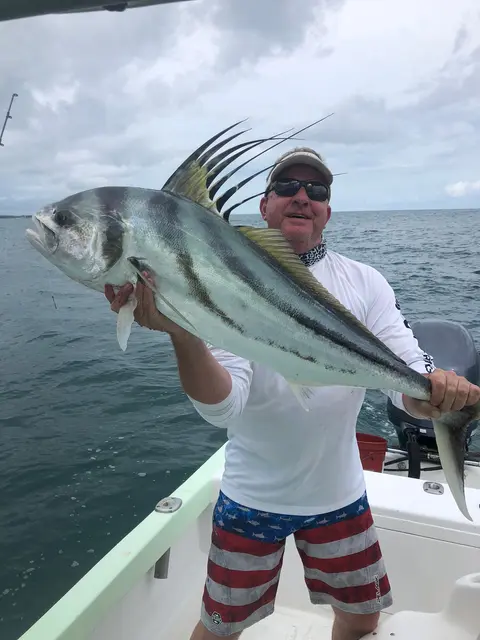
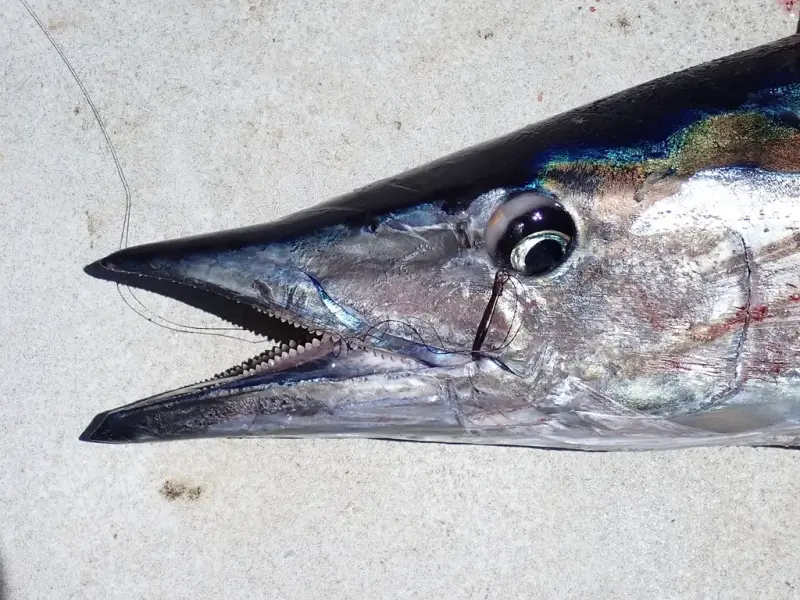
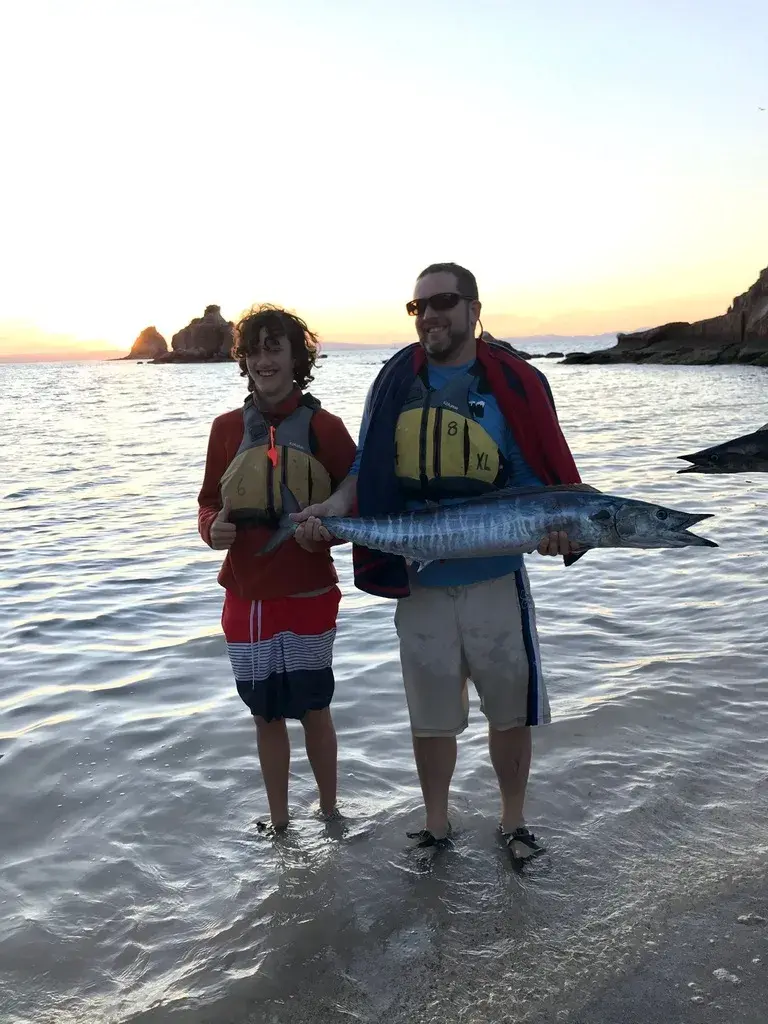
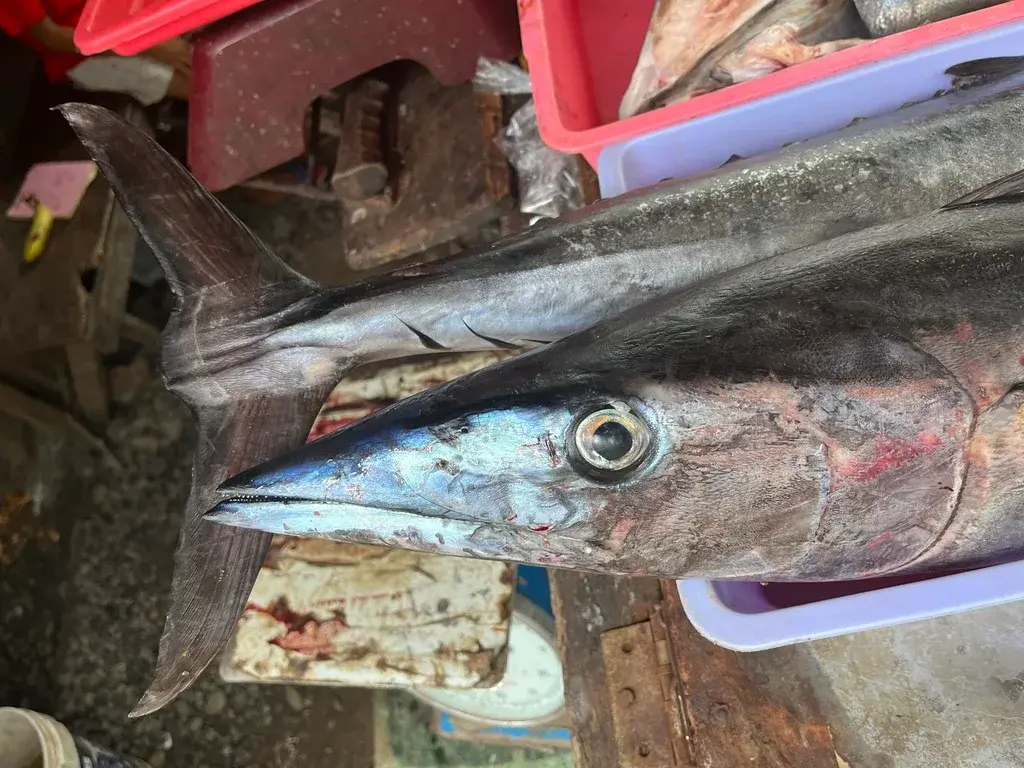
Photo from our gallery (wahoo); illustrative, not a photo of this story.